
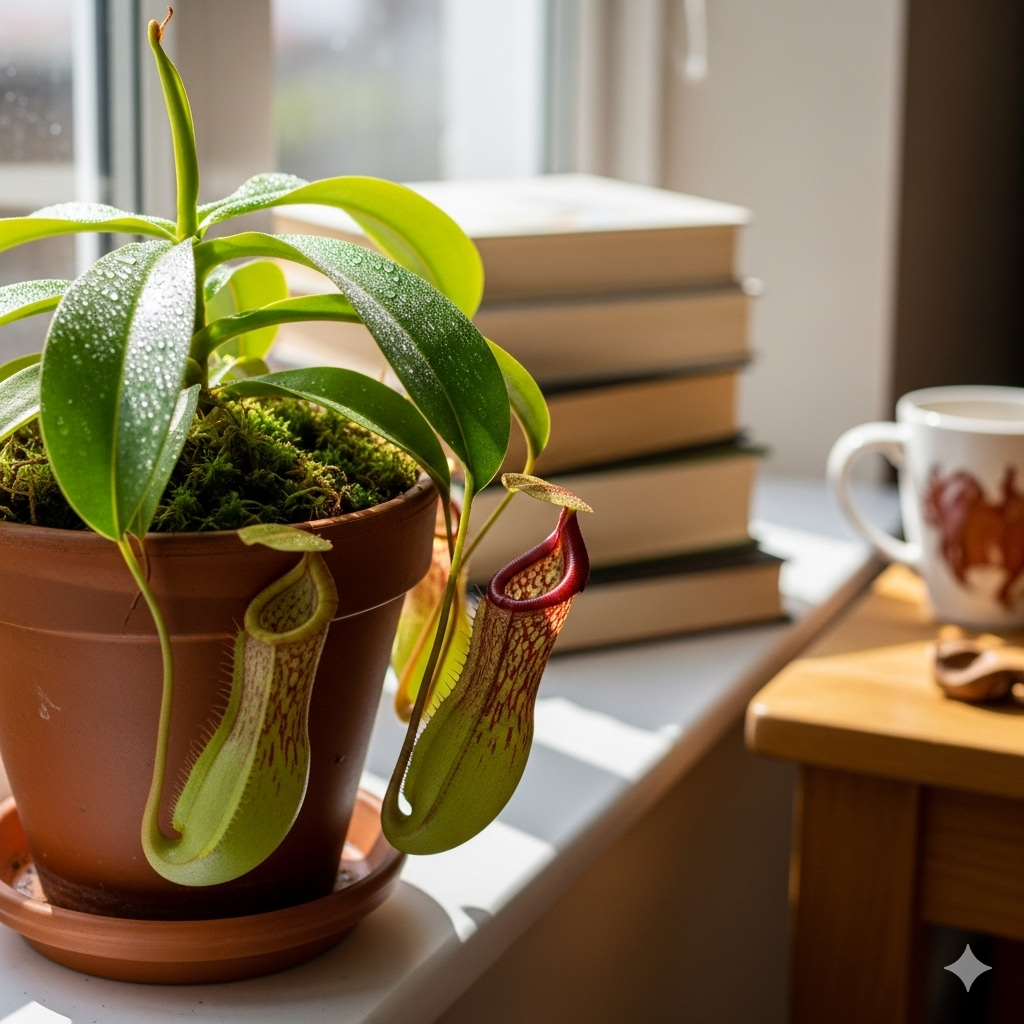
When most people think of good luck plants, they imagine lush green foliage or colorful blooms. Yet among the many plants believed to attract positivity and fortune, the pitcher plant stands out as an unusual but meaningful choice. Known for its distinctive shape and intriguing carnivorous nature, the pitcher plant symbolizes protection, resilience, and transformation. In many cultures, it is seen as a plant that not only safeguards a home but also brings prosperity and balance.
The Fascination of the Pitcher Plant
Pitcher plants belong to several plant families, most notably Nepenthes and Sarracenia. Their defining feature is their pitcher-shaped leaves, which act as natural traps for insects. While their carnivorous nature may seem intimidating, it highlights the plant’s adaptability and unique survival strategy.
With their elegant curves, vibrant green and red tones, and extraordinary structures, pitcher plants are as ornamental as they are functional. Displayed indoors or outdoors, they add an exotic, conversation-worthy element to home décor while also carrying symbolic significance.
Symbolism of the Pitcher Plant
The pitcher plant’s symbolism differs from traditional good luck plants, but its meaning is just as powerful.
-
Protection from Negativity: Because pitcher plants trap pests, they are often viewed as protectors that keep harmful energies, obstacles, and negativity away from a household.
-
Prosperity through Resilience: Their ability to thrive in nutrient-poor conditions symbolizes strength, endurance, and prosperity despite challenges.
-
Transformation and Renewal: As carnivorous plants, they represent the idea of transformation—turning difficulties into sources of growth.
-
Good Fortune in Uniqueness: Their unusual form is seen as a reminder that success often comes from embracing one’s uniqueness.
In Feng Shui and folk traditions, the pitcher plant is thought to attract luck by “consuming” harmful energy and leaving room for positive, prosperous energy to flourish.
Feng Shui and Home Placement
In Feng Shui, pitcher plants are valued for their ability to cleanse spaces of negative energy while encouraging growth and opportunity. Their placement can influence their impact:
-
Entrances: Keeping a pitcher plant near the front door is believed to guard the household from negative influences while welcoming good fortune.
-
Balconies or Windowsills: Pitcher plants in sunny spots help cleanse incoming energy and connect the home with protective natural forces.
-
Workspaces: A pitcher plant in an office or study is thought to help absorb stress and distractions, improving focus and productivity.
-
Living Rooms: As statement plants, they not only serve as conversation pieces but also radiate protective and balancing energy in shared spaces.
Because of their unusual appearance, pitcher plants also add a sense of uniqueness to décor, reflecting the individuality of the household.
Practical and Wellness Benefits
While their symbolic value is powerful, pitcher plants also offer practical benefits:
-
Natural Pest Control: Indoors or in gardens, pitcher plants help control insects naturally, reducing the need for chemical repellents.
-
Air-Purifying Qualities: Like many green plants, pitcher plants contribute to cleaner indoor air and healthier humidity levels.
-
Stress Relief: Caring for a pitcher plant provides an engaging hobby, while its striking appearance can inspire curiosity and wonder, uplifting moods.
Their combination of beauty and usefulness makes them both symbolic and functional additions to a household.
Caring for Pitcher Plants at Home
Pitcher plants require specific conditions but are manageable once their needs are understood. Here are some essential care tips:
-
Light: Pitcher plants need bright, indirect sunlight. Some species tolerate direct sun, especially outdoors. Indoors, place them near a sunny window.
-
Watering: They prefer pure, mineral-free water such as rainwater, distilled water, or filtered water. Avoid tap water, which often contains minerals harmful to the plant. Keep soil consistently moist.
-
Humidity: Pitcher plants thrive in high humidity. Misting or placing them in a humid environment helps maintain healthy pitchers.
-
Soil: Use a nutrient-poor, well-draining medium, such as a mix of sphagnum moss and perlite. Regular potting soil is unsuitable.
-
Feeding: They naturally capture insects, so no fertilizer is needed. Insects provide the nutrients they require.
-
Temperature: Most species prefer warm, tropical conditions, though some temperate varieties adapt well to cooler climates.
By meeting these requirements, pitcher plants flourish and reward owners with their exotic beauty and fascinating growth patterns.
A Memorable Gift of Luck
Because of their rarity and unique symbolism, pitcher plants make memorable and meaningful gifts. Gifting one for a new home represents a wish for protection, resilience, and the ability to transform challenges into opportunities. Unlike common good luck plants, the pitcher plant stands out as an extraordinary symbol of fortune and strength.
Conclusion
The pitcher plant may not be the first plant people think of when considering good luck greenery, but its uniqueness is precisely what makes it special. With its protective symbolism, exotic charm, and practical benefits, it has earned a place as a good luck plant for modern homes.
For families seeking not only prosperity but also resilience and protection, the pitcher plant offers a distinctive way to invite positive energy into their space. With proper care, it becomes more than a conversation piece—it becomes a lasting emblem of transformation, fortune, and balance in the household.