
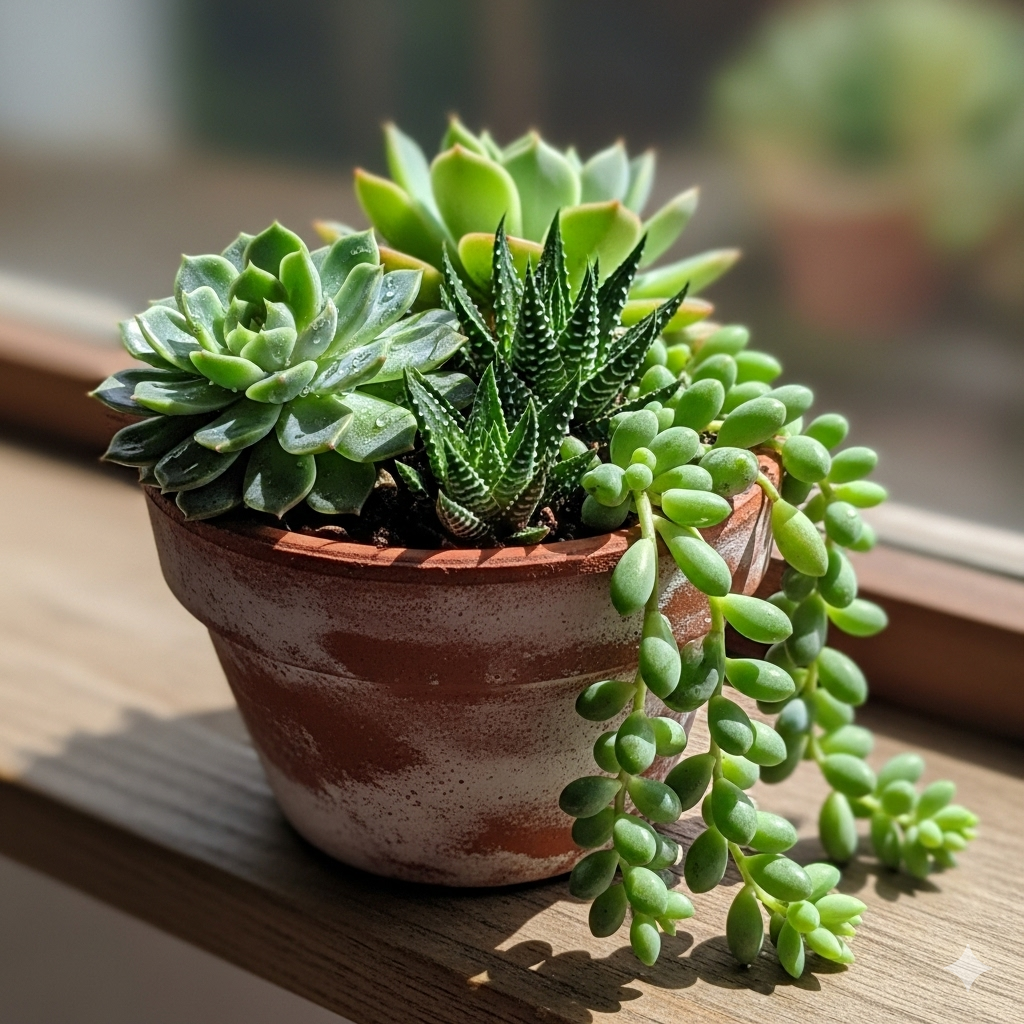
Succulents are among the most beloved houseplants worldwide, admired for their unique shapes, fleshy leaves, and ability to store water. Their reputation for being low-maintenance often leads people to believe they can survive almost anywhere, even in dimly lit rooms. But one question plant owners frequently ask is: Can succulents grow in low light conditions?
The answer is both yes and no. While some succulents can tolerate low light for short periods, most require bright, indirect sunlight to maintain their compact form, vibrant colors, and steady growth. Without adequate light, succulents may survive but will not thrive. Let’s explore how succulents respond to different lighting levels, which types adapt better to low light, and how to care for them in less-than-ideal conditions.
Natural Habitat and Light Needs
Succulents come from arid regions of the world, such as deserts and dry grasslands, where sunlight is plentiful. Their thick, fleshy leaves evolved to store water, allowing them to survive long periods of drought under intense sun. Because of this, most succulents are naturally sun-lovers, thriving in conditions where they receive six or more hours of bright light daily.
Indoors, recreating this level of sunlight can be challenging. That’s why many succulents tend to struggle in homes with limited natural light. However, their adaptability means that with the right care, some varieties can manage in lower-light spaces.
Can Succulents Survive in Low Light?
Yes, succulents can survive in low light, but they will not perform as well as they do in bright conditions. When grown in dim spaces, succulents often display the following changes:
-
Stretching (etiolation): The plant grows tall and leggy, with more space between leaves as it stretches toward the light.
-
Loss of color: Vibrant reds, purples, or variegation may fade, leaving leaves a dull green.
-
Slower growth: Limited energy from light slows down new leaf and stem development.
-
Weak structure: Stretched stems can become weak and prone to bending or breaking.
While these changes don’t necessarily mean the plant will die, they do indicate it isn’t receiving the light it needs to thrive.
Succulents Better Suited to Low Light
Not all succulents respond the same way to reduced light. Some varieties are naturally more tolerant of shaded conditions:
-
Haworthia – Compact and shade-tolerant, often thriving on office desks or bookshelves.
-
Gasteria – Known for its tough, thick leaves and ability to adapt to dim conditions.
-
Sansevieria (Snake Plant) – Technically a succulent, this hardy plant can handle very low light.
-
Aloe vera – Can manage in moderate light, though it prefers brighter spots.
-
Zebra plant (Haworthiopsis fasciata) – Popular for its striped leaves and adaptability to lower light.
Choosing these varieties increases your chances of success in darker rooms.
Tips for Growing Succulents in Low Light
If your home or office has limited sunlight, here are some ways to keep succulents healthy:
-
Place them near the brightest window available
East- or south-facing windows are best. Even in low-light rooms, a windowsill provides more light than a tabletop or corner. -
Rotate regularly
Turn the pot every week to prevent uneven growth and leaning. -
Supplement with grow lights
A full-spectrum LED grow light can make a big difference. Position it 6–12 inches above the plant and keep it on for about 10–12 hours a day. -
Water sparingly
In low light, succulents use less water. Always let the soil dry completely before watering again to avoid root rot. -
Choose smaller pots
Compact containers reduce the risk of overwatering, which is especially important in low-light environments. -
Prune stretched growth
If your succulent becomes leggy, you can trim and propagate the cuttings to restart healthier plants.
When Low Light Isn’t Enough
While succulents can survive in dim spaces, they cannot thrive in complete darkness. Rooms with no windows or artificial lighting will eventually cause the plant to decline. In such cases, artificial grow lights are essential if you want to keep succulents alive long-term.
If adding supplemental lighting isn’t an option, consider choosing true low-light plants such as ZZ plants, pothos, or peace lilies instead.
Final Thoughts
Succulents are sun-loving plants that perform best in bright, indirect light. While some species can tolerate low light for a while, they may stretch, lose color, or slow their growth in dim conditions. By selecting shade-tolerant varieties, positioning them near the brightest available spot, and supplementing with grow lights, you can help succulents adapt to less-than-ideal lighting.
The bottom line: succulents can survive in low light, but they won’t thrive without some source of brightness. If your goal is compact, colorful, and healthy succulents, providing ample light is the key to success.