
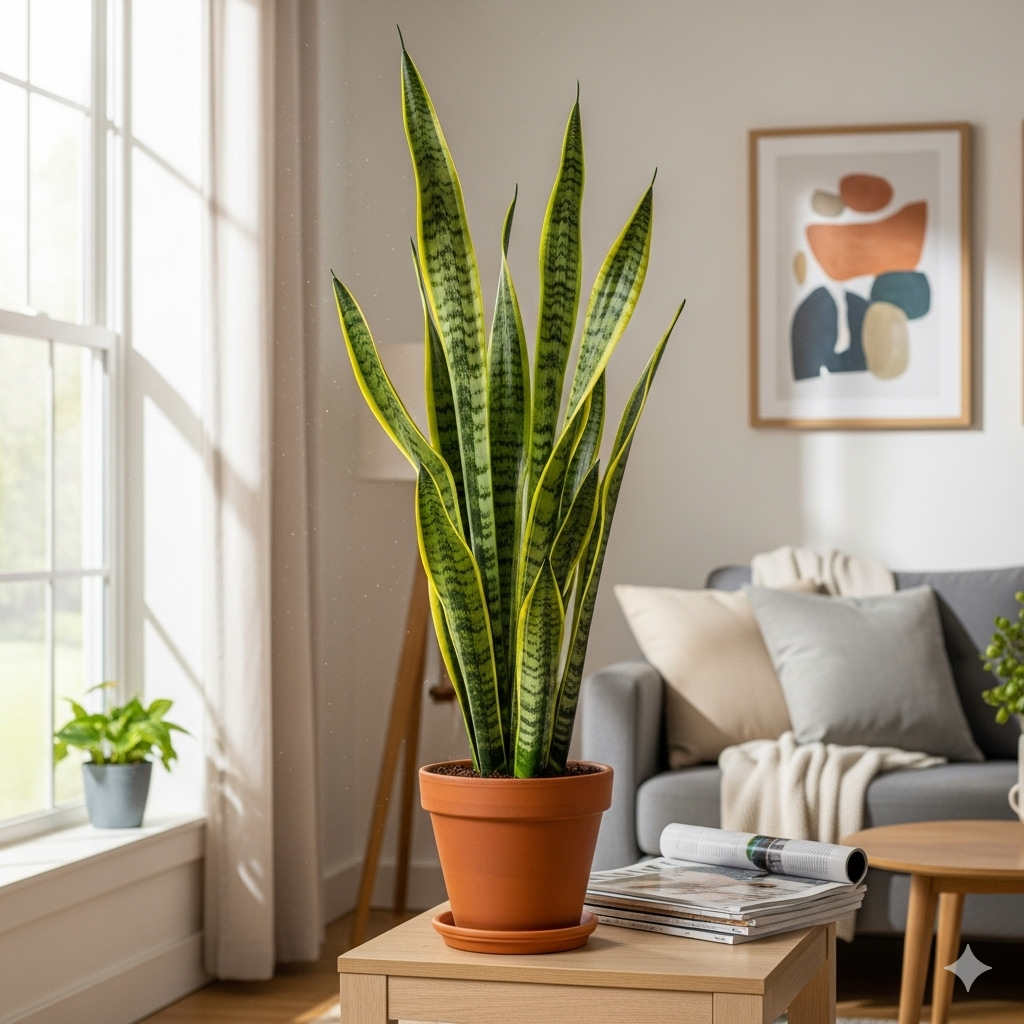
The snake plant (Sansevieria, also known as Dracaena trifasciata) is one of the most resilient and popular houseplants around the world. With its upright, sword-like leaves and reputation for being nearly indestructible, it is often recommended for beginners and seasoned plant lovers alike. A common question, however, is whether snake plants can survive in dark rooms or areas with little to no natural light.
The short answer is: yes, snake plants can tolerate dark rooms better than many other plants, but they still need some form of light to stay healthy in the long run.
Understanding Snake Plant Adaptability
Snake plants are native to tropical regions of West Africa, where they grow in a variety of light conditions, from bright sun to shaded forest understories. This natural adaptability is what makes them so versatile as indoor plants. They can thrive in bright, indirect light, tolerate some direct sunlight, and also survive in very low-light conditions where many plants would struggle.
This ability has earned them a reputation as “unkillable” plants, perfect for offices, apartments, and corners where sunlight is limited.
Can Snake Plants Live in Complete Darkness?
While snake plants are remarkably tolerant, they cannot live in total darkness indefinitely. Like all plants, they need light for photosynthesis, the process that allows them to produce energy and grow. In complete darkness, they will eventually weaken, their leaves will lose their firmness, and growth will stop.
That said, snake plants are slow-growing and capable of surviving for extended periods in dimly lit or artificial light environments. This means they can be placed in rooms with little natural sunlight, as long as they receive occasional exposure to light or benefit from artificial lighting sources.
Snake Plants in Low-Light Rooms
Snake plants excel in low-light rooms, such as:
-
Bedrooms: They are one of the few plants that release oxygen at night, making them ideal companions for restful sleep.
-
Offices: Snake plants grow well under fluorescent lighting, making them perfect for windowless workplaces.
-
Bathrooms: They tolerate low light and humidity, thriving even in spaces without direct sunlight.
-
Hallways and Corners: They bring greenery to spots that are often too dim for other plants.
In these conditions, the plant may not grow quickly, and new leaves may appear less frequently. However, the existing foliage remains attractive and healthy for long periods.
Artificial Light as a Solution
If you want your snake plant to thrive in a dark room, artificial light can be a great substitute for natural sunlight. Fluorescent bulbs, LED grow lights, or even standard room lighting provide enough energy for snake plants to photosynthesize.
-
Fluorescent lights are common in offices and provide steady illumination that snake plants adapt to easily.
-
LED grow lights are ideal if you want to encourage growth and maintain vibrant foliage, as they mimic the spectrum of natural sunlight.
-
Regular indoor lights can sustain the plant for long periods, though growth may still be slower than in brighter conditions.
Providing 8–12 hours of artificial light daily can help snake plants remain strong, even in windowless rooms.
Caring for Snake Plants in Dark Rooms
To keep a snake plant healthy in darker spaces, a few care practices can make a big difference:
-
Avoid Overwatering: Snake plants in low light require less water because their growth slows down. Overwatering can lead to root rot. Allow the soil to dry completely between waterings.
-
Rotate the Plant: If possible, rotate the plant into brighter areas for a few weeks every so often, then return it to the darker spot. This helps it recharge.
-
Dust the Leaves: Dust can block what little light the plant receives. Gently wipe the leaves with a damp cloth to keep them clean.
-
Watch for Signs of Stress: Pale or drooping leaves may signal the need for more light.
-
Choose the Right Pot: A pot with proper drainage prevents water from sitting at the roots, especially in low-light conditions where soil dries slowly.
Benefits of Snake Plants in Dark Rooms
Snake plants offer more than just decorative value in dim environments. They are known for:
-
Air purification: Studies suggest they help filter indoor toxins such as benzene and formaldehyde.
-
Oxygen release at night: Unlike most plants, snake plants release oxygen during nighttime, promoting better sleep.
-
Low maintenance: Their hardiness and tolerance for neglect make them ideal for people with busy lifestyles.
-
Positive symbolism: In many cultures, snake plants are believed to bring protection, resilience, and good fortune.
Conclusion
Snake plants cannot grow in complete darkness forever, but they are among the best plants for dark rooms or areas with limited sunlight. Their ability to adapt to low light, coupled with their minimal care requirements, makes them perfect for bedrooms, offices, bathrooms, and hallways.
For optimal health, providing occasional access to natural or artificial light ensures they remain vibrant and strong. With their resilience, air-purifying qualities, and striking appearance, snake plants are excellent choices for bringing life and positivity to even the dimmest corners of a home.