
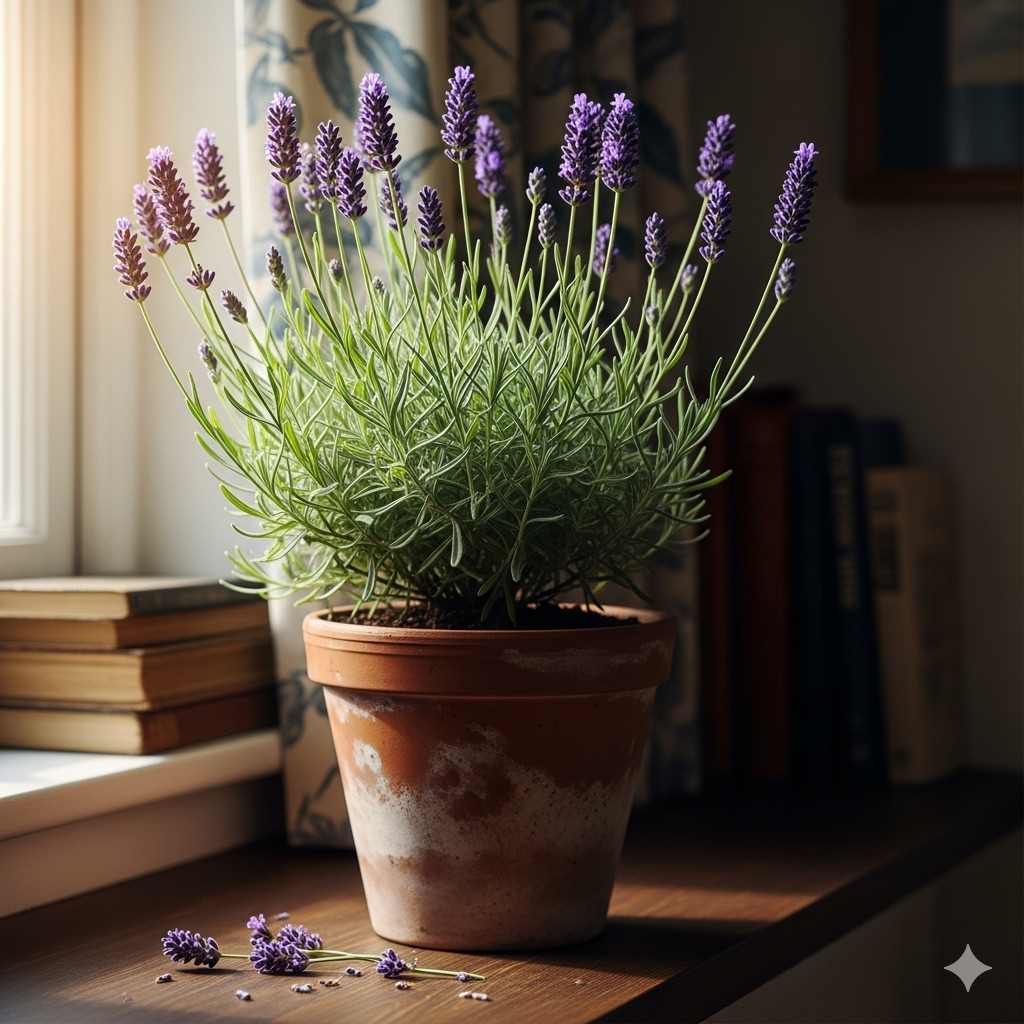
Bringing plants into the home has long been a way to cultivate beauty, health, and positive energy. Among the many plants associated with good fortune and harmony, lavender holds a special place. Known for its fragrant purple blooms and calming properties, lavender is more than just a decorative herb. It is celebrated as a good luck plant that promotes peace, balance, and uplifting energy within the household.
The Charm of Lavender
Lavender (Lavandula) is native to the Mediterranean region, where it has been cultivated for centuries for its fragrance, medicinal qualities, and spiritual significance. Its elegant stalks, silvery-green leaves, and clusters of violet flowers make it an attractive addition to both gardens and indoor arrangements.
Beyond its beauty, lavender’s soothing aroma is instantly recognizable and deeply cherished. Used in essential oils, sachets, and teas, lavender has long been valued for its ability to calm the mind and refresh the spirit. As a potted plant or a garden shrub, it brings that same aura of peace directly into the home.
Symbolism: Peace, Luck, and Energy
Lavender has long been associated with tranquility and protection. In ancient traditions, sprigs of lavender were placed in homes to ward off negativity and invite blessings. Its purple flowers symbolize elegance, serenity, and spiritual awareness, making it a powerful emblem of balance and renewal.
-
Peace and Calm: Lavender is strongly tied to emotional balance. Its fragrance and presence encourage relaxation, reduce stress, and create a peaceful atmosphere.
-
Good Luck: Often seen as a charm for protection, lavender is believed to attract positive energy and good fortune while keeping negativity away.
-
Healing and Energy: Lavender symbolizes purification and renewal, making it a plant of fresh starts and uplifting energy for households.
For new homes, lavender is not only a symbol of luck but also of harmony and emotional well-being.
Feng Shui and Home Placement
In Feng Shui, lavender is regarded as a plant that harmonizes energy flow while creating a protective shield around the home. Its vibrant purple flowers add the Fire element, which brings passion, vitality, and inspiration into a space.
Here are some suggestions for placement:
-
Entryways: Placing lavender near the entrance helps purify incoming energy and sets a peaceful tone for the home.
-
Bedrooms: Known for promoting restful sleep, lavender is ideal for creating a calming nighttime environment.
-
Living Rooms: A pot of lavender in shared spaces fosters harmony and positive interaction among family members.
-
Balconies or Gardens: Outdoor lavender attracts positive energy while repelling insects and cleansing the atmosphere.
Whether grown fresh in pots, dried in sachets, or displayed as cut flowers, lavender continues to radiate good luck and peace throughout the household.
Wellness Benefits
Lavender’s popularity goes beyond symbolism—its therapeutic benefits are widely recognized. The plant is known for:
-
Stress Relief: Its fragrance reduces anxiety, promotes relaxation, and supports emotional balance.
-
Better Sleep: Lavender is often used in aromatherapy to encourage restful and restorative sleep.
-
Natural Air Freshening: Fresh or dried lavender acts as a natural deodorizer, keeping the home fragrant and welcoming.
-
Holistic Healing: Lavender oil and teas are used traditionally for soothing headaches, easing tension, and supporting overall wellness.
These health benefits make lavender a meaningful plant that improves both physical and emotional well-being in a household.
Caring for Lavender at Home
Lavender is hardy and resilient, making it a relatively easy plant to maintain with the right conditions. Here are some tips to keep it thriving:
-
Light: Lavender needs plenty of sunlight, ideally 6–8 hours daily. Place it near a sunny window or in an outdoor spot with direct light.
-
Soil: It thrives in well-draining, sandy soil. Avoid heavy, water-retentive soils that can cause root rot.
-
Watering: Water moderately, allowing the soil to dry slightly between waterings. Overwatering should be avoided.
-
Pruning: Regular pruning after flowering keeps the plant bushy and encourages new growth.
-
Containers: Lavender grows well in pots with good drainage, making it suitable for balconies, patios, or sunny indoor corners.
With minimal effort, lavender rewards its caretaker with fragrance, beauty, and long-lasting positive energy.
A Thoughtful Gift of Harmony
Because of its associations with peace, protection, and renewal, lavender is a thoughtful gift for new homeowners or loved ones. It represents wishes for calmness, happiness, and good fortune. Unlike temporary gifts, a lavender plant continues to flourish and spread its fragrance, becoming a lasting reminder of serenity and balance.
Conclusion
Lavender is more than just a fragrant herb—it is a symbol of peace, protection, and positive energy. Its calming presence, spiritual associations, and health benefits make it one of the most cherished good luck plants for homes.
For families moving into a new space or individuals seeking harmony and renewal, lavender offers both beauty and meaning. With its simple care needs and powerful symbolism, lavender continues to be a timeless plant that brings good luck, serenity, and uplifting energy to households everywhere.