
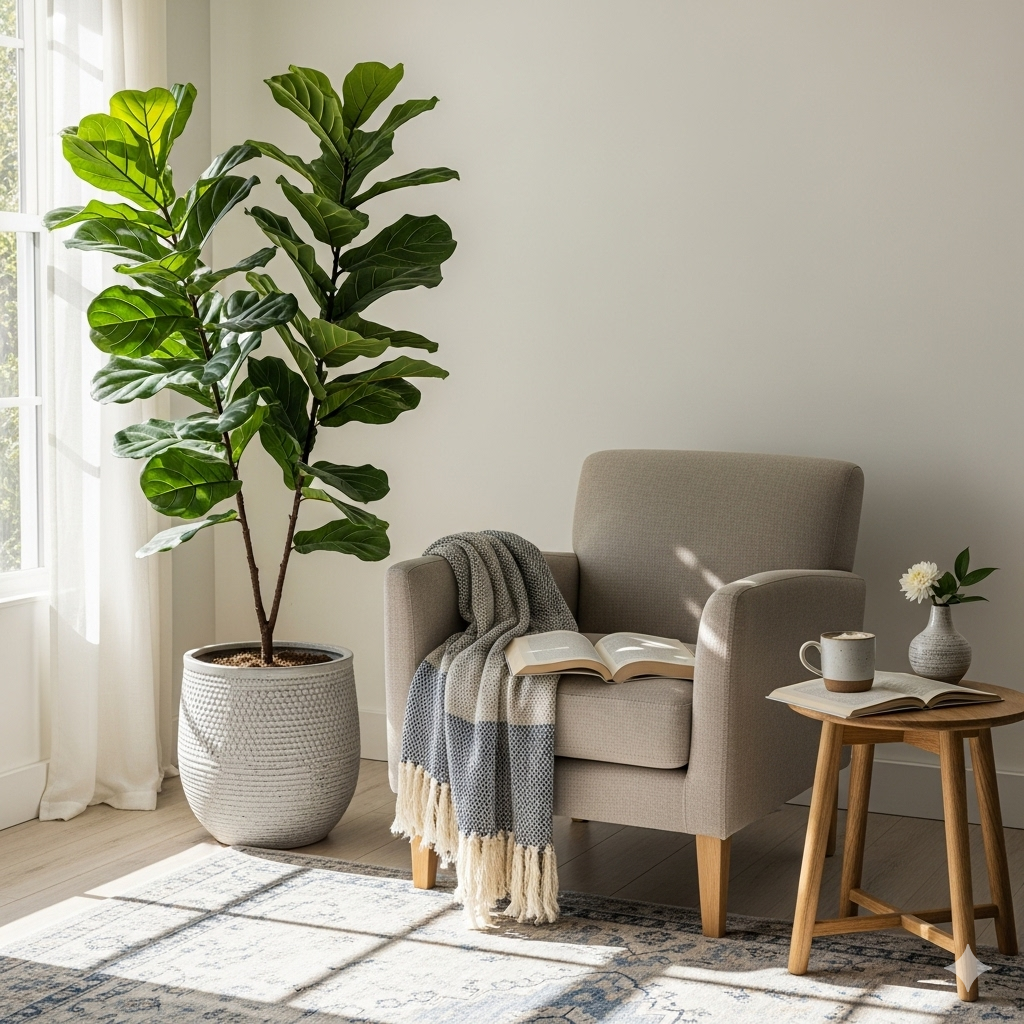
Fiddle leaf figs, scientifically known as Ficus lyrata, have become one of the most iconic houseplants in recent years. Their tall stature, bold green leaves, and striking sculptural presence make them a favorite among interior decorators and plant lovers alike. However, while their beauty is undeniable, their care requirements often raise questions—particularly when it comes to light conditions. One of the most common concerns among plant owners is whether fiddle leaf figs can survive in low-light environments.
The short answer is: fiddle leaf figs can tolerate low light for a while, but they thrive best in bright, indirect sunlight. Let’s take a closer look at what “low light” really means, how these plants respond to it, and how you can keep your fiddle leaf fig healthy even if your space doesn’t have abundant natural light.
Understanding Fiddle Leaf Fig Light Needs
Fiddle leaf figs are native to the tropical rainforests of West Africa, where they grow under the canopy of taller trees. In their natural environment, they receive dappled but bright light filtering through the forest. This natural habitat explains why they prefer lots of indirect light indoors—bright enough to mimic their native setting but not harsh direct sun that can scorch their large leaves.
When grown indoors, these plants generally perform best near east-facing or south-facing windows where they can soak up bright, indirect rays. They can adapt to slightly lower light levels, but consistent dim conditions can lead to slower growth and weaker health.
What Counts as Low Light?
Before deciding whether your space is suitable for a fiddle leaf fig, it helps to define “low light.” Many plant owners think any area away from a window qualifies, but low light generally means:
-
A room where there is little to no direct sunlight.
-
A spot several feet away from a window with filtered or minimal natural light.
-
A location where you can read a book during the day without turning on artificial lighting, but the space still feels dim.
A truly dark corner with no windows or only artificial light would be considered unsuitable for most plants, including fiddle leaf figs.
How Fiddle Leaf Figs React to Low Light
If placed in low light for extended periods, fiddle leaf figs will begin to show signs of stress. Some of the most common symptoms include:
-
Slowed or stunted growth: Without enough energy from light, the plant cannot produce new leaves as readily.
-
Yellowing or dropping leaves: The plant may shed older leaves to conserve energy.
-
Leaning or stretching toward windows: A clear indicator that the plant is “reaching” for more light.
-
Paler, smaller leaves: Insufficient light can reduce chlorophyll production, making new growth less vibrant.
While the plant may survive for months in these conditions, it will not thrive. Over time, the lack of adequate light can weaken the plant, making it more vulnerable to pests and diseases.
Tips for Growing Fiddle Leaf Figs in Low Light
Even if your home does not have abundant natural light, there are ways to support a fiddle leaf fig. With a little care and creativity, it’s possible to maintain a healthy plant in less-than-ideal conditions.
-
Use supplemental grow lights
A high-quality grow light can make all the difference. Place the plant under a full-spectrum LED grow light for at least 6–8 hours daily to mimic natural sunlight. -
Rotate the plant regularly
Turning your fiddle leaf fig every few weeks ensures even exposure to available light and prevents one-sided leaning. -
Choose the brightest available spot
Even if you don’t have a sun-filled window, place the plant as close as possible to whatever natural light source you do have. North-facing windows, while dimmer, are still better than no light at all. -
Adjust watering habits
In low light, the plant uses water more slowly. Overwatering becomes a risk, so always let the top few inches of soil dry out before watering again. -
Keep leaves clean
Dust buildup can block the little light available. Wipe the leaves gently with a damp cloth every couple of weeks to maximize photosynthesis.
When Low Light Isn’t Enough
If your home is especially dark and you are unable to provide supplemental lighting, a fiddle leaf fig may not be the best choice. In such cases, consider low-light-tolerant alternatives such as snake plants, ZZ plants, or pothos. These species are much more forgiving and can thrive in conditions where fiddle leaf figs struggle.
Final Thoughts
Fiddle leaf figs are undeniably stunning and rewarding plants, but they do require proper lighting to flourish. While they can survive in low-light environments for a period, they will not thrive long term without sufficient brightness. If your home has limited natural light, investing in a grow light or positioning the plant near the brightest available window is essential. With the right adjustments, you can still enjoy the beauty of a fiddle leaf fig in less-than-ideal conditions.