
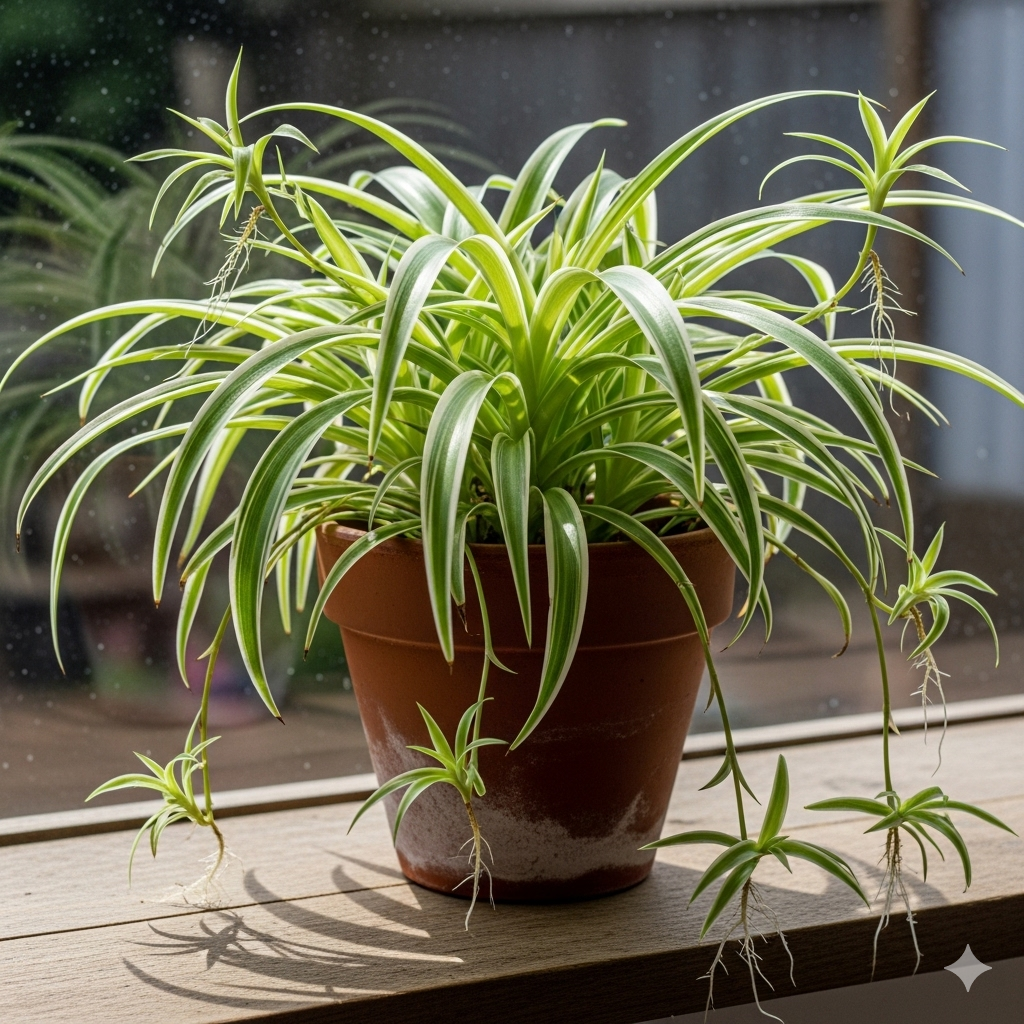
Spider plants (Chlorophytum comosum) are among the most popular houseplants worldwide, admired for their arching green-and-white striped leaves and their ability to produce baby “spiderettes” that dangle gracefully from long stems. Easy to grow, adaptable, and resilient, spider plants are often recommended for beginners and experienced plant enthusiasts alike. One of the most important factors in ensuring your spider plant stays lush and vibrant is providing the right lighting conditions.
While spider plants are forgiving, their growth and appearance can be greatly influenced by the amount and quality of light they receive. Let’s explore what kind of lighting these plants need to thrive indoors and how to make the best choices for their placement.
Why Lighting Matters for Spider Plants
Like all plants, spider plants depend on light for photosynthesis, which fuels their growth and keeps their leaves healthy and colorful. Too much direct sun can damage the foliage, while too little light can slow growth and dull the striking variegation on the leaves. Finding the right balance helps your spider plant grow fuller, maintain its bright colors, and produce plenty of offsets.
The Ideal Lighting for Spider Plants
Spider plants thrive in bright, indirect light. This type of lighting closely resembles their natural habitat in tropical and subtropical regions, where they grow beneath taller plants that filter the sunlight. Indoors, placing your spider plant near an east- or north-facing window works well, as these locations provide gentle morning or consistent soft light without exposing the plant to harsh midday sun.
South- and west-facing windows can also be good options, but it’s best to set the plant a few feet away from the glass or shield it with a sheer curtain to prevent leaf scorch. When positioned correctly, spider plants grow vigorously and develop vibrant green-and-white leaves that arch beautifully outward.
Can Spider Plants Survive in Low Light?
One of the reasons spider plants are so popular is their adaptability. They can survive in low-light conditions, such as hallways, bathrooms, or offices with small windows. However, while they can survive, they won’t thrive in such conditions.
In low light, spider plants tend to grow more slowly and may produce fewer baby plants. The striking stripes on variegated varieties may also fade, leading to plainer green foliage. Over time, a spider plant in low light may appear less lively and less full compared to one grown in brighter conditions.
Why Direct Sunlight Can Be Harmful
Although spider plants enjoy brightness, direct sunlight—especially the intense afternoon rays—can harm them. Leaves may develop brown, scorched patches if exposed to prolonged direct sun. This is particularly common in plants placed on windowsills of west- or south-facing windows without any protection.
If you notice leaf burn, move your plant slightly farther from the window or add a sheer curtain to diffuse the light. The plant will adjust and continue to grow healthily once it is no longer exposed to intense sun.
Signs Your Spider Plant’s Lighting Isn’t Right
Your spider plant will usually show signs if it’s not getting the right amount of light. Watch for the following indicators:
-
Too little light: Slow growth, fading variegation, and fewer baby plants.
-
Too much light: Brown tips, scorched patches, or leaves turning pale.
-
Ideal light: Bright, vibrant leaves with healthy stripes and regular production of spiderettes.
By observing these signs, you can make quick adjustments to your plant’s placement.
Using Grow Lights for Spider Plants
If your home doesn’t provide sufficient natural light, grow lights are an excellent solution. Full-spectrum LED grow lights can mimic the quality of sunlight that spider plants need. Position the light about 12–18 inches above the plant and keep it on for 10–12 hours daily. This ensures the plant receives the right level of brightness without risk of sunburn.
Grow lights are especially helpful in windowless rooms or during winter months when natural light is weaker.
Tips for Positioning Spider Plants Indoors
When deciding where to place your spider plant, consider these tips:
-
Near east-facing windows – Ideal for gentle morning light.
-
On shelves or plant stands – Placing them slightly elevated allows their arching leaves and spiderettes to cascade beautifully.
-
Use bright corners – They adapt well to spots with bright but filtered light.
-
Rotate regularly – Turning the pot every few weeks helps the plant grow evenly.
-
Combine with reflective surfaces – Positioning the plant near mirrors or light-colored walls can help maximize available light.
Final Thoughts
Spider plants are hardy, adaptable, and beautiful additions to any indoor space. While they can tolerate low light and will survive in less-than-ideal conditions, they grow best in bright, indirect sunlight. Avoid harsh direct sun that can scorch their leaves, and consider supplementing with grow lights if your home is particularly dim.
By choosing the right lighting spot, rotating the plant regularly, and paying attention to its signals, you can enjoy a healthy spider plant that produces vibrant foliage and plenty of cascading baby plants. With the proper care, your spider plant will continue to bring freshness and charm to your space for years to come.