
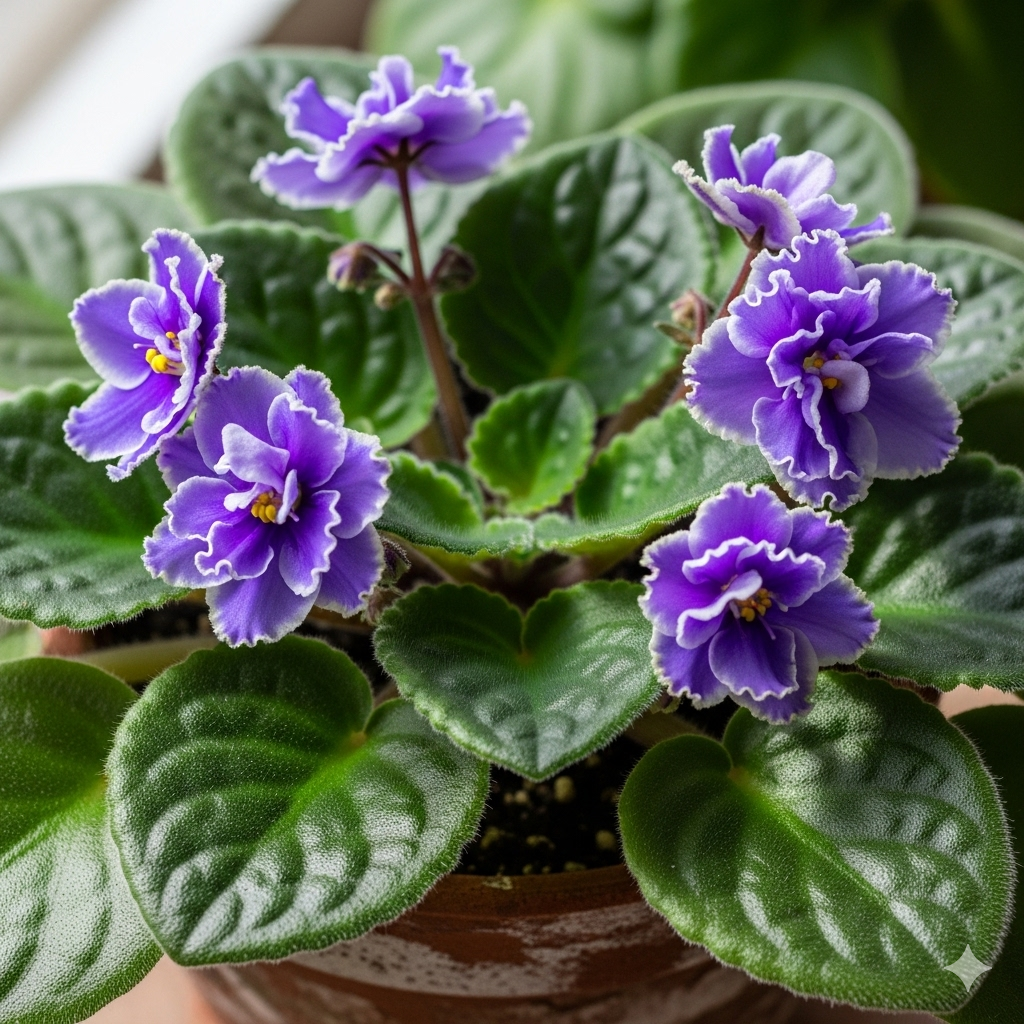
African violets (Saintpaulia) are cherished by indoor gardeners for their delicate, velvety leaves and vibrant blooms in shades of purple, pink, blue, and white. Compact and elegant, these plants can flower year-round with the right care. However, one of the most critical factors that determines their success is light. Without proper lighting, African violets may fail to bloom, develop weak growth, or lose their signature leaf color. The good news is that with the right approach, you can easily create the ideal lighting conditions to keep these charming plants thriving.
Understanding the Light Needs of African Violets
In their native habitat of East Africa, African violets grow under the shelter of larger plants, receiving filtered sunlight rather than direct exposure. This explains why they thrive indoors when placed in bright, indirect light. Too much direct sunlight can scorch their tender leaves, while too little light results in poor flowering and stretched, leggy growth.
The key to success is striking the perfect balance: providing enough brightness to encourage blooming without overwhelming the delicate foliage.
How Much Light Do African Violets Need?
African violets need about 10–12 hours of bright, indirect light each day, followed by at least 8 hours of darkness to rest. This balance mimics natural day-night cycles and encourages healthy growth and consistent blooms. Unlike some houseplants that tolerate uneven lighting, African violets are quite sensitive to their environment and will quickly respond if their light conditions are not suitable.
Best Indoor Spots for African Violets
The ideal location for African violets is near a north- or east-facing window, where they can receive gentle, diffused sunlight throughout the day. South- and west-facing windows can also work, but the intensity of the light is often too strong, especially in the afternoon. In those cases, it’s best to filter the sunlight with sheer curtains or place the plant slightly away from the window to avoid scorching.
If your home has limited natural light, don’t worry—African violets also adapt well to artificial grow lights.
Signs of Improper Lighting
African violets clearly communicate when they are not happy with their light conditions. Some common signs include:
-
Too little light: Dark green leaves that stretch upward, slow or no blooming, and weak stems.
-
Too much light: Yellowing or bleached leaves, dry edges, or scorched patches.
-
Ideal light: Compact growth, deep green foliage with no burns, and frequent flower production.
By observing these indicators, you can quickly adjust your plant’s placement to restore balance.
Using Artificial Lights for African Violets
Artificial lighting is one of the best tools for keeping African violets healthy, especially in homes with minimal natural sunlight or during the darker winter months. Fluorescent tubes and LED grow lights are particularly effective, as they provide full-spectrum light that closely mimics natural sunlight.
Place the lights about 8–12 inches above the plants and keep them on for 10–12 hours a day. To avoid overheating, make sure there is enough space between the lights and the leaves. Many dedicated African violet growers use shelves fitted with grow lights to maintain consistent brightness and encourage year-round flowering.
Seasonal Adjustments
Lighting needs may vary throughout the year. In summer, the sunlight is stronger, so African violets may need extra protection from harsh rays. In winter, when days are shorter and light is weaker, supplementing with grow lights becomes especially useful. Regularly reassessing your plant’s location and adjusting as the seasons change will help maintain steady growth and blooms.
Extra Tips for Light Management
To maximize your success with African violets, consider these additional lighting care tips:
-
Rotate your plants: Turn the pot every week so all sides receive even light, preventing uneven growth.
-
Clean the leaves: Dust can block light absorption, so gently wipe the leaves with a soft, damp cloth.
-
Avoid sudden changes: Moving a violet abruptly from low light to very bright conditions can shock the plant. Gradually transition it to new locations.
-
Pair with proper care: Light is essential, but so are proper watering, soil, and humidity. Together, they create the ideal environment for thriving African violets.
Conclusion
African violets are sensitive but rewarding plants that respond beautifully when given the right lighting conditions. They thrive in bright, indirect light, whether from a window or from artificial grow lights, and require consistent brightness for about 10–12 hours daily. By monitoring their appearance and adjusting their environment with the seasons, you can ensure compact growth and abundant flowers. With the right lighting, African violets will continue to brighten your indoor space with their charming, colorful blooms all year round.